In this mature phase, de Chirico revisits his most iconic motifs — the Italian squares, the mannequins, the metaphysical interiors, the horses on the shore — but reframes them with a brighter palette, sharper constructions and a new irony, far from the tragic melancholy of his early period. This is the season of Neometaphysics, a term coined in 1970 by the critic Wieland Schmied. Here, the image no longer evokes only mystery and unease: it becomes a conscious play of variations, quotations and transformations. Works such as Ettore e Andromaca, L’astrologo e Sole sul cavalletto embody this balance between thought and lightness, between memory and invention.

Official Tourist Information Site of Modena

Giorgio de Chirico. The Last Metaphysics
Giorgio de Chirico. The Last Metaphysics
The Final Season of a Master
Modena presents a major exhibition dedicated to Giorgio de Chirico, a pivotal figure of twentieth-century art and founder of Metaphysics. Giorgio de Chirico. The Last Metaphysics, curated by Elena Pontiggia, brings together fifty works from the Giorgio and Isa de Chirico Foundation, offering a close look at the concluding decade of the artist’s career, from 1968 to 1978. In these years, now in his eighties, de Chirico astonishes the art world with a renewed youthful gaze: rather than merely repeating his early inventions, he returns to them in order to transform them, revealing new meanings.
Neometaphysics: Return and Reinvention
A New Awareness of the Gaze
Information
Where:
new wing of the Palazzo dei Musei, ticket office access from Viale Vittorio Veneto 9, Modena.
When:
from November 29, 2025 to April 12, 2026.
Hours:
Tuesday to Sunday, from 10:00 a.m. to 7:00 p.m.
The ticket office closes 30 minutes earlier.
Closed on Mondays.
Tickets:
Open € 15
Full price €13 Reduced €11
Schools €4
The ‘Open’ ticket can be used on any opening day.
Special openings:
- 8 December 2025 and 6 April 2026 from 10:00 a.m. to 7:00 p.m.
- 24 December 2025 and 31 December 2025 from 10:00 a.m. to 2:00 p.m.
- 25 December 2025 and 1 January 2026 from 2:00 p.m. to 7:00 p.m.
- 5 January 2026 from 10:00 a.m. to 7:00 p.m.
Book online: tickets can be purchased online or directly at the ticket office.
Visitors who buy their ticket online have direct access to the exhibition without going through the ticket office.
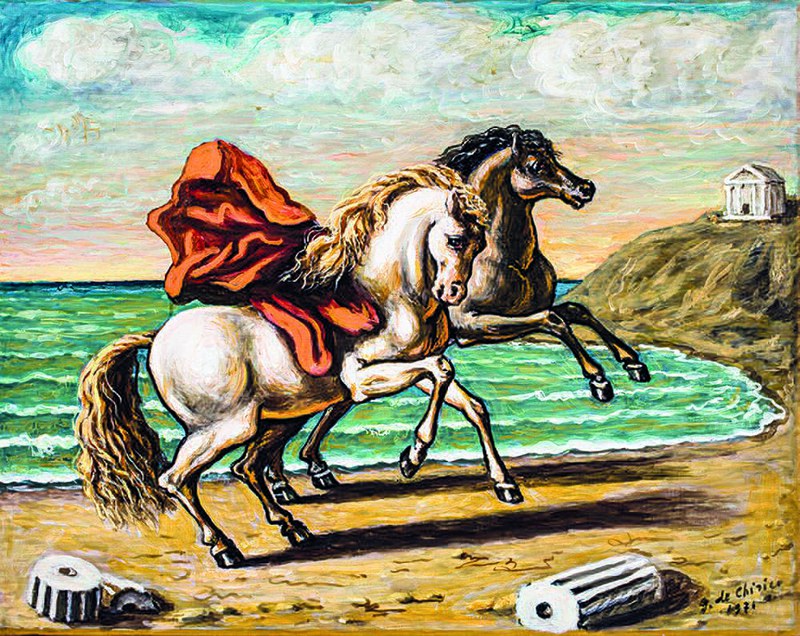
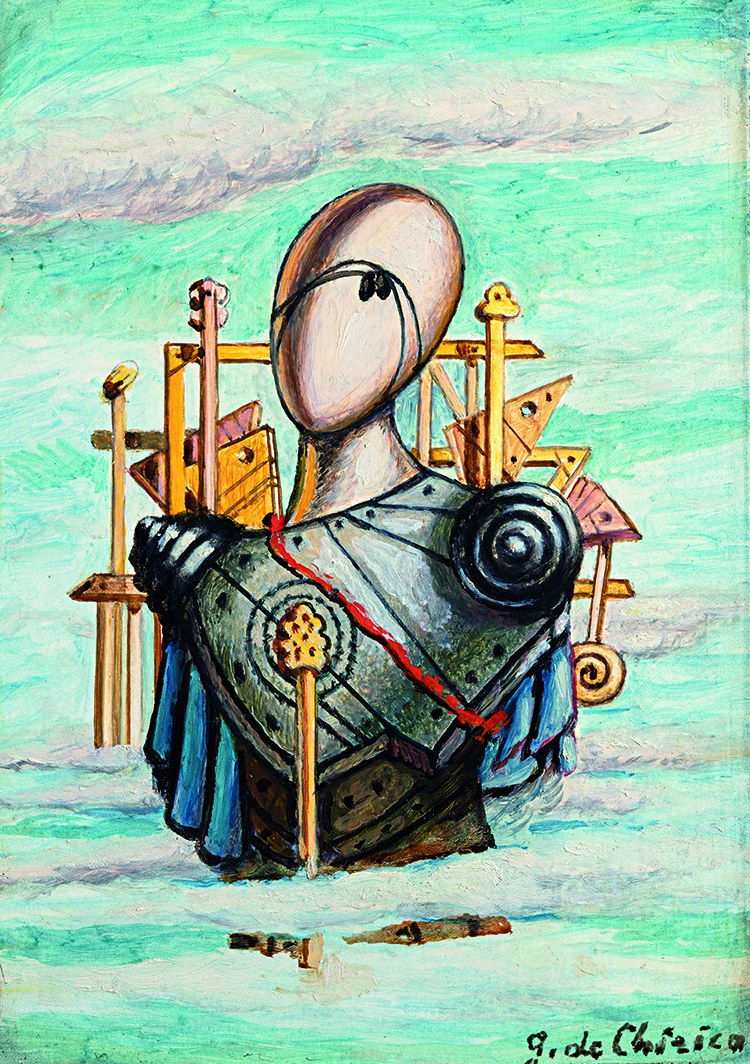
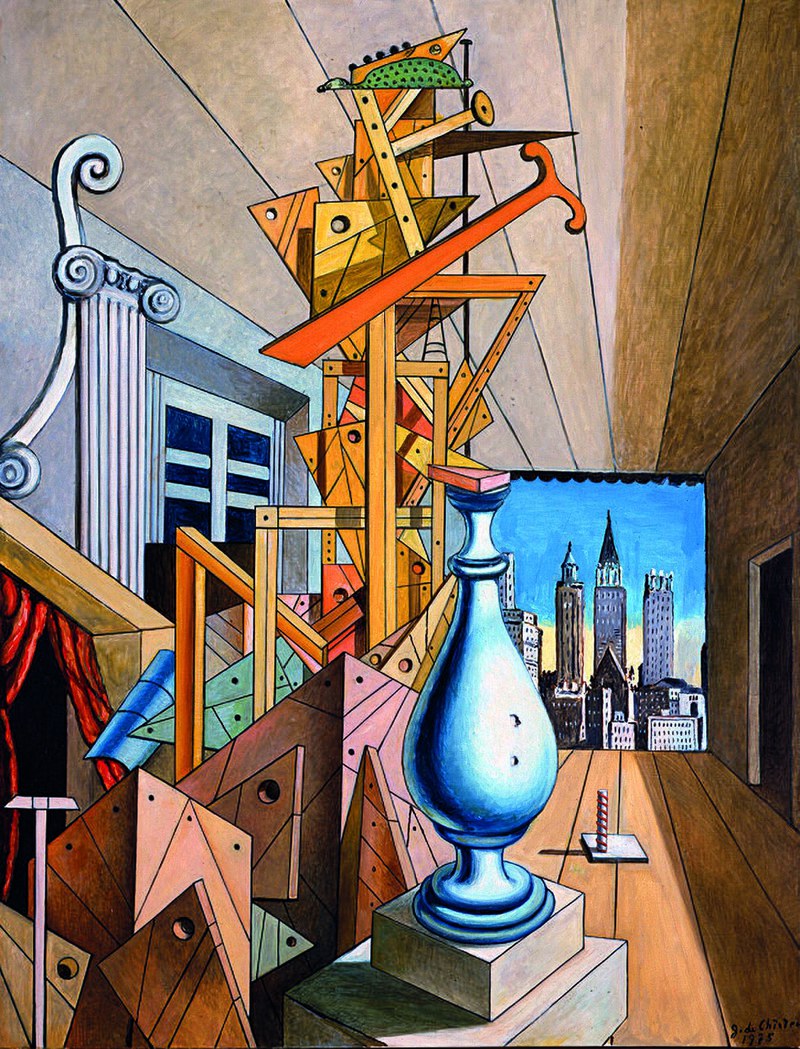
Photo credits: Fondazione Giorgio e Isa de Chirico, Roma © Giorgio de Chirico, by SIAE 2025.
Press office: simone@studioesseci.net, press@silvanaeditoriale.it
Discover Modena!
Don’t miss the chance to visit Modena and its surroundings!
Experiences not to be missed
Events
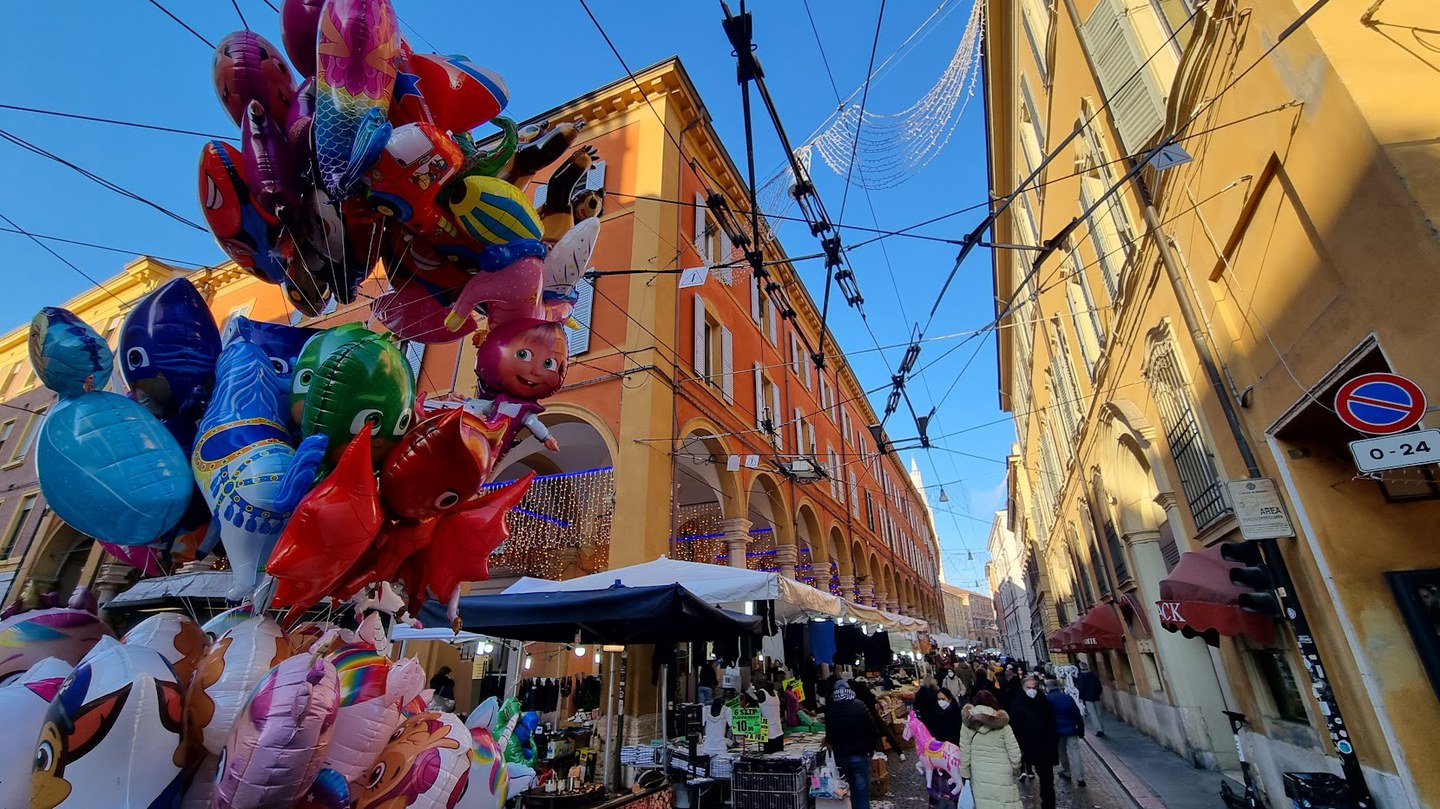
Special weekend offer: Stay a night for free, a gift from Modena
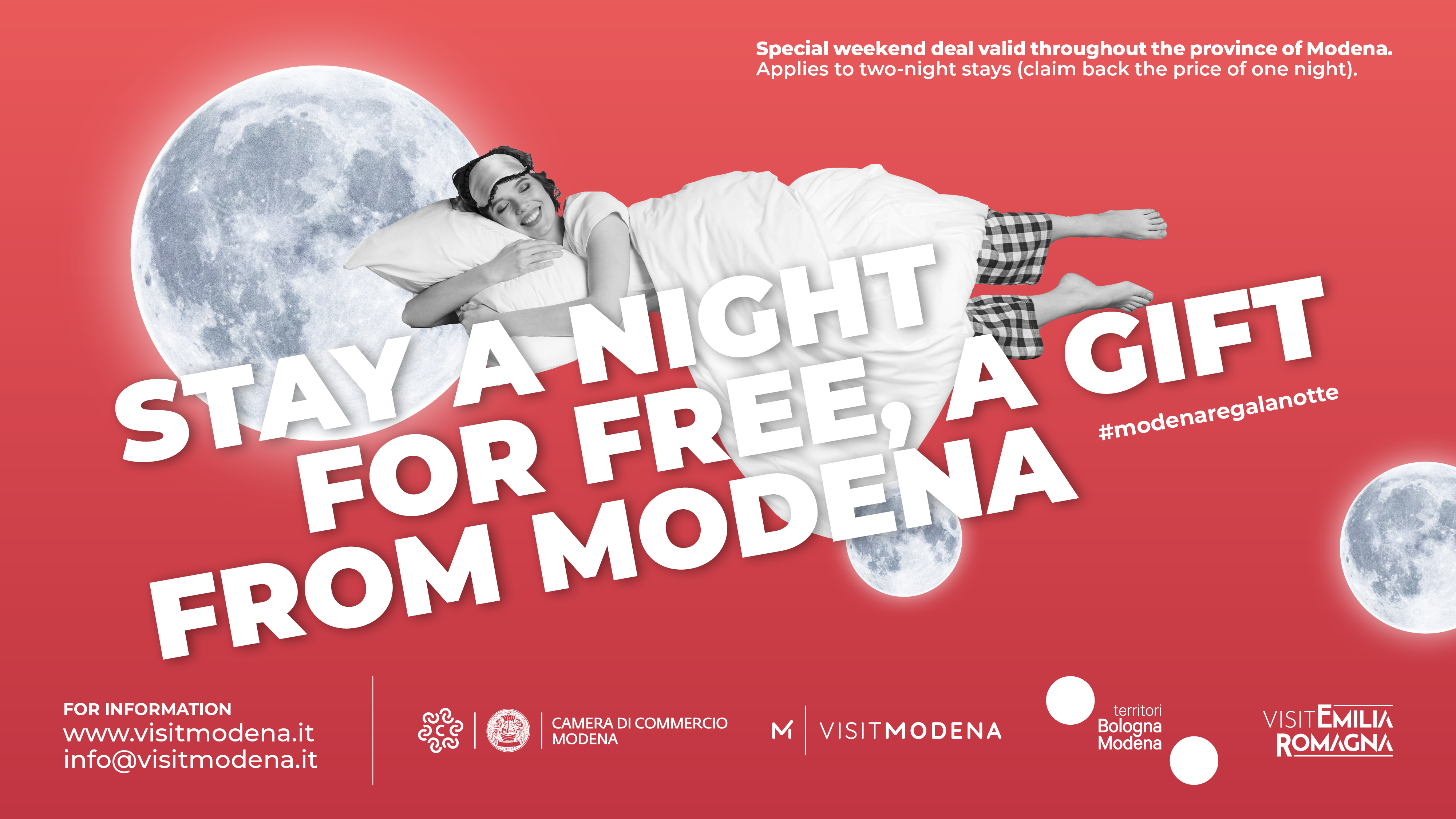
If you stay for a minimum of two nights on weekends between 13 June and 28 December 2025 (Friday + Saturday or Saturday + Sunday), one night will be reimbursed.
You can request a refund of up to €200 for one of the two nights, up to a maximum of €2,000 per applicant.
Contact us
For information, send an email to info@visitmodena.it or call us at +39 059 2032660, every day from 9:00 a.m. to 6:00 p.m. Closed on 25 December.




NEWSLETTER
Official Tourist Information Site of Modena
Language en